
Small Business Finance
What Financial Visibility Actually Means for a Small Business
Most small business owners describe themselves as having 'good financial visibility' because they check their bank balance daily. That's awareness, not visibility. Real visibility is knowing what's coming, not just what's there today.
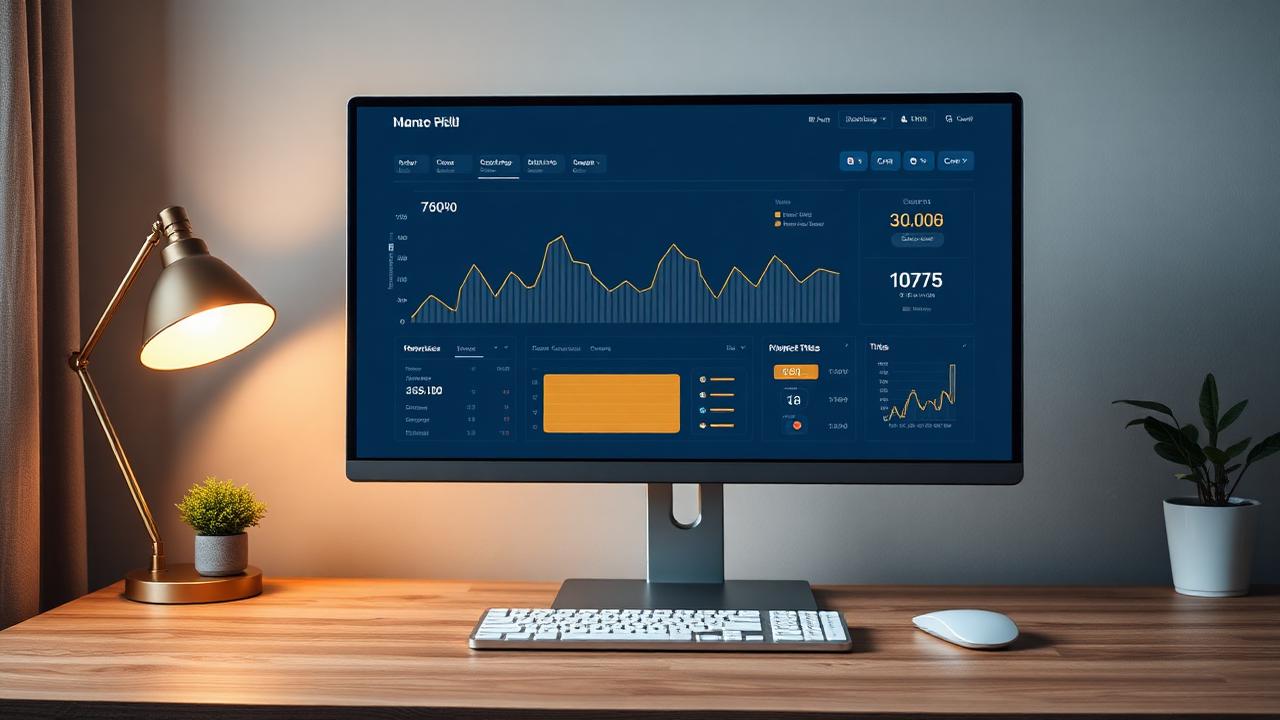
Visibility into the past
Monthly financial statements — P&L, balance sheet, cash flow — closed within 10 business days of month-end. Comparable to the same month prior year and to budget.
Prefer to talk this through? Book a free consultation → or learn more about Fractional CFO.
Visibility into the present
Current cash position, current AR aging, current AP, payroll obligations for the next pay period. A weekly cash snapshot, not a quarterly one.
Visibility into the future
A 13-week cash forecast. A 12-month operating budget refreshed quarterly. A simple sensitivity model for 'what happens if revenue drops 20%' or 'what happens if we hire two more people.'
Visibility into the unit economics
Gross margin by product or service line. Cost to acquire a customer. Contribution per hour or per project. These are the numbers that tell you which decisions actually move the business.
What to do if you don't have it
Start with closing the books monthly on a real deadline. Add a weekly cash review. Layer in the forecast. Most owners can build all three within a quarter with the right support.
Want to apply this to your situation?
Book a consultation with a Kuuni Partners advisor — Georgia-based, serving clients nationwide.
Related services
More in Small Business Finance
Small Business Finance
The 13-Week Cash Flow Forecast Every Owner Should Run
Short enough to be accurate, long enough to give you time to react.
Read more →Small Business Finance
5 KPIs That Matter More Than Your Bank Balance
Bank balance is a snapshot. KPIs are the speedometer.
Read more →Small Business Finance
When to Hire a Fractional CFO (Real Thresholds)
The revenue and complexity thresholds that justify the engagement.
Read more →